When you
buy a car, whether new or used, inspection plays a very big role. A proper
check ensures that the vehicle you are about to own is safe, reliable, and
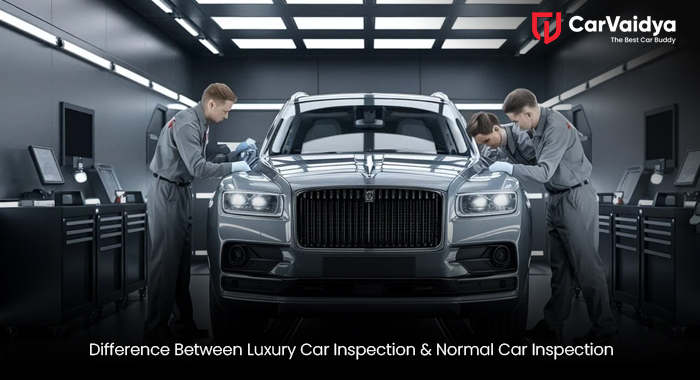
worth the money. But there is a huge difference between luxury car inspection
vs normal car inspection. Many people think both are the same, but in reality,
luxury cars need more detailed, expert-driven checks compared to regular cars.
Let’s go
deeper into the topic and understand why luxury car pre purchase inspection is
different, what makes it more detailed, and why you must never skip it if you
are dealing with high-end vehicles.
Why Luxury
Cars Need Expert Inspection
Luxury and
exotic cars are not built the same way as regular hatchbacks or sedans. They
come with advanced technology, premium materials, high-performance engines, and
exclusive electronic systems. For this reason, why luxury cars need expert
inspection becomes very clear. A small issue in a normal car may not cost much,
but in a luxury car the same repair can cost lakhs.
For
example
- A brake pad
change in a normal car may cost ₹4,000, but in a luxury car it can go above
₹40,000.
- A
suspension check in a normal car may be simple, but in a Mercedes, BMW or Audi
it involves air suspension and electronic sensors which need expert tools.
So,
skipping a proper luxury car service evaluation can lead to big losses later.
Luxury Car
PDI Checklist vs Normal Car Inspection
When you
buy a new car, the dealer does a Pre-Delivery Inspection (PDI). This is to make
sure the car is in perfect condition before you take it home. But for luxury
vehicles, the luxury car PDI checklist is way more detailed.
In a normal
car inspection, the focus is on:
- Checking
body scratches or dents
- Tyre
condition
- Basic
electronics like lights and indicators
- Fluid
levels (engine oil, coolant, brake fluid)
In a luxury
car PDI checklist, the checks expand to include:
- Advanced
infotainment and navigation systems
- Air suspension
and adaptive drive controls
- Electronic
driver-assist features (lane assist, adaptive cruise control, parking sensors,
cameras)
- High-performance
engine tuning checks
- Imported
tyre condition and alloy inspection
- Software
system health
This shows
that luxury car inspection vs normal is not just about the car’s condition but
also about its advanced technology, which only trained professionals can
evaluate.
Luxury Car
Repair vs Normal Car
Another
major difference is in the luxury car repair vs normal car scenario. When a
normal car develops a fault, most local workshops can handle it. But with
luxury cars, you need special diagnostic tools and brand-specific scanners.
For
example, BMW and Mercedes require OBD scanners that are not available at local
garages. Luxury cars also use imported parts, so the repair costs are much
higher. Without proper inspection, you may end up buying a used luxury car that
requires expensive repairs right after purchase.
Used Luxury
Car Inspection Tips
If you are
planning to buy a used BMW, Audi, Jaguar, or Mercedes, here are some used
luxury car inspection tips:
- Always ask
for a full service history from an authorized service center.
- Check for
accident history or repainting signs.
- Look at
tyre wear pattern; uneven wear may indicate suspension issues.
- Pay
attention to warning lights on the dashboard.
- Get a
professional luxury car pre purchase inspection done before finalizing the
deal.
Doing this
saves you from unexpected surprises and helps you negotiate better with the
seller.
Normal Car
vs Premium Car Inspection Cost
The cost
difference is also significant. A normal car vs premium car inspection cost can
easily vary by 3–5 times.
Normal car
inspection may cost ₹2,000 – ₹4,000.
Premium or
high-end car inspection may cost ₹10,000 – ₹20,000 depending on the brand and
model.
Yes, it
sounds expensive, but compared to the lakhs you might spend if something major
goes wrong, this cost is very small.
Exotic Car
Pre Delivery Inspection
When it
comes to supercars or ultra-luxury vehicles like Porsche, Maserati, or
Lamborghini, the exotic car pre delivery inspection becomes even more critical.
These cars are extremely sensitive, and even small issues can affect
performance. Experts check advanced systems like carbon ceramic brakes,
race-tuned suspensions, exhaust systems, and electronic drive modes.
Skipping
this step can result in losing both money and performance satisfaction.
High-End
Car Inspection Near Me – How to Find
Many buyers
search for high end car inspection near me but often land at local garages that
do not have the tools or expertise. The right way is to choose certified
workshops or specialized platforms like CarVaidya, where expert technicians
handle luxury and premium cars with proper diagnostic equipment. This ensures a
fair evaluation before you buy or take delivery.
Why Choosing
Expert Service is Worth It
At the end
of the day, whether you are buying a new or used luxury car, investing in a
detailed inspection is not optional – it’s mandatory. Luxury vehicles are made
with precision engineering, and only professionals can give you a proper luxury car service evaluation.
Normal cars
can survive with basic checks, but luxury cars demand advanced inspections.
Spending a little more on inspection saves you from unexpected bills and keeps your
driving experience smooth.
The
difference between luxury car inspection vs normal lies in the details,
expertise, and tools required. While normal cars can be inspected with a simple
checklist, luxury and exotic vehicles demand expert-level evaluation. From
luxury car pre purchase inspection to exotic car pre delivery inspection, every
step ensures that your investment is protected.
So, whether
you are buying a new premium car or a used one, never compromise on inspection.
If you are searching for reliable services, platforms like CarVaidya make the
process easy and transparent. After all, luxury is not just about owning the
car – it’s also about maintaining it the right way.
You can read some other articles
Guide to Handling an
Overheating Car
Effective Ways to Remove Small
Dents and Scratches from Your Car
Pre-Trip Inspection: Ensuring
Safety & Reliability
 By CarVaidya





0 Comments