When it comes to car safety, most people think about tyres, headlights, or engine performance. But brake fluid is equally important because it directly affects how well your brakes respond. If your brake fluid becomes old, contaminated, or low, your car may not stop properly during an emergency. That’s why performing a brake fluid test at home is a smart habit for every car owner. In this blog, you will learn how to use a brake fluid tester, when you should inspect your brake system, and why
regular car fluid maintenance matters for your safety.
What Is a Brake Fluid Tester?
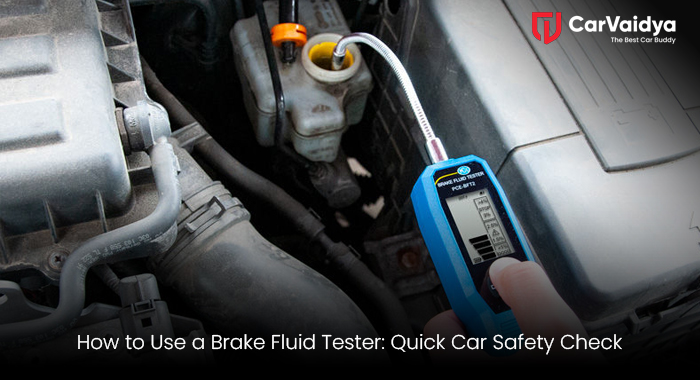
A brake fluid tester is a small device that checks the moisture level inside brake fluid. Brake fluid absorbs moisture over time, which reduces its boiling point and makes your brakes less effective. If moisture gets too high, it may even lead to brake failure during heavy braking. Modern testers usually come with LED indicators that show whether your brake fluid is good, needs attention, or must be replaced immediately. It’s a fast and simple car brake inspection tool, even for beginners.
Why Brake Fluid Testing Is Important
Most drivers skip brake fluid checks because they think the brake system only needs attention when something feels wrong. But the truth is, brake fluid quietly degrades with time and heat.
Here’s why a quick test matters:
- Safety first: Contaminated fluid increases braking distance.
- Smooth braking: Fresh fluid gives better pedal feel.
- Prevents damage: Bad fluid can corrode brake components.
- Saves money: Early detection prevents costly brake repairs.
Even car experts recommend testing brake fluid every 6 months for safe driving.
When Should You Use a Brake Fluid Tester?
You don’t need to wait for a problem in your car. Check your brake fluid when:
- Your brake pedal feels spongy
- The ABS warning light glows
- You notice delayed braking
- You hear unusual brake noise
- Your car is 2+ years old without brake fluid replacement
You do regular weekend maintenance at home
Most car manufacturers suggest replacing brake fluid every 2 years, but testing it every few months keeps you safer.
How to Use a Brake Fluid Tester: Step-by-Step Guide
Testing brake fluid is not complicated. Follow these simple steps and complete your safety check in less than 5 minutes.
Step 1: Park Your Car and Let It Cool
Always test brake fluid when the engine is switched off, and the car is parked on a flat surface. Hot brake fluid may give inaccurate readings.
Step 2: Locate the Brake Fluid Reservoir
Open your car’s bonnet and look for a small transparent container near the firewall labeled “Brake Fluid Only.” Clean the area around the cap to avoid dust falling inside.
Step 3: Turn On the Brake Fluid Tester
Most testers have a power button. Press it once to activate. Some will show an initial LED check to confirm the device is ready.
Step 4: Dip the Tester Into the Fluid
Remove the reservoir cap and gently insert the tester’s metal probes into the fluid. Make sure the probes are fully dipped, but avoid moving them too aggressively.
Step 5: Read the Result
This is the easiest part. LED lights will indicate the moisture level:
- Green Light: Fluid is OK
- Yellow Light: Fluid condition is acceptable, but change soon
- Red Light: Too much moisture — replace immediately
If your tester shows 3% or more water content, consider it dangerous for driving.
Step 6: Clean and Store the Tester
Remove the tester, wipe it with a clean cloth, and store it in a dry place. Always close the reservoir cap tightly.
Tips for Accurate Brake Fluid Testing
To get the best results and avoid inaccurate readings, follow these quick tips:
- Don’t test immediately after driving a long distance
- Always wipe the tester after every use
- Never mix different types of brake fluid
- Replace fluid if it looks dark or cloudy
- Use the DOT-recommended brake fluid mentioned in the owner’s manual
These small steps keep your brake system healthy for a long time.
Common Brake Fluid Problems You Shouldn’t Ignore
Brake fluid issues may start small, but they can cause serious trouble on the road. Look out for:
1. Low Brake Fluid Level
- Usually indicates brake pad wear or a possible leak.
2. Contaminated or Dirty Fluid
- Dirt or moisture makes braking unpredictable.
3. Incorrect Brake Fluid Type
Importance of Regular Car Fluid Maintenance
Brake fluid is just one part of your car’s fluid system. For complete safety, keep an eye on engine oil, coolant, transmission oil, and power steering fluid. These simple checks prevent sudden breakdowns and keep your car running smoothly.
- Regular car fluid maintenance:
- Improves engine performance
- Enhances braking efficiency
- Avoids overheating
- Extends vehicle life
- Boosts road safety
A few minutes of at-home checking saves hours of trouble later.
A brake fluid test is one of the easiest ways to keep your car safe and reliable. You don’t need mechanical knowledge or special tools—just a simple brake fluid tester and a few minutes. If the tester shows high moisture levels, don’t delay the replacement because brakes are your car’s most important safety component.
Make it a habit to check brake fluid every few months and combine it with your routine car brake inspection. And whenever you need expert help, services like CarVaidya are always ready to support your car’s health.
 By CarVaidya





0 Comments