Finding a dent in your car can be really frustrating. It not only affects the look of your vehicle but also lowers its resale value. The good news is that with today’s convenient
car care services, you can easily remove dents right at your doorstep. No need to visit a workshop and wait for hours — mobile dent removal experts can now fix it quickly and neatly in your driveway. However, while removing dents, it’s equally important to focus on
car maintenance basics, such as regularly checking tyre pressure. Let’s explore both — how doorstep dent removal works and why a tyre pressure check is crucial for safe driving.
Doorstep Dent Removal Made Easy
Earlier, repairing a car dent used to take a whole day at a workshop. You had to leave your car, wait for updates, and deal with unnecessary costs. But now, things have changed.
Doorstep dent repair service providers like CarVaidya bring everything needed — from paintless dent repair tools to portable compressors — directly to your location.
The technician arrives at your home, assesses the dent, and, depending on the damage, uses modern PDR (Paintless Dent Removal) or panel correction techniques to restore the shape. The process takes only a few hours and saves you the hassle of driving to the service center. Whether the dent is from a parking mishap or a small accident, doorstep repair ensures your car looks new again without heavy costs or long waiting hours.
Why Tyre Pressure Check Matters in Car Maintenance
While dent removal keeps your car looking good, tyre maintenance ensures it runs smoothly and safely. Most drivers forget to check their tyre pressure until they notice uneven wear or poor mileage. However, maintaining the correct tyre pressure can improve fuel efficiency, extend tyre life, and enhance your driving safety.
Let’s understand how to check tyre pressure easily at home and the tools you’ll need.
How to Check Tyre Pressure at Home
You don’t need to visit a mechanic every time to check tyre pressure. With a tyre pressure gauge, you can do it yourself in just a few minutes. Here’s how:
- Park on a flat surface – Ensure your car is stationary and tyres are cool before checking.
- Remove the valve cap – The small cap on your tyre’s valve needs to be unscrewed.
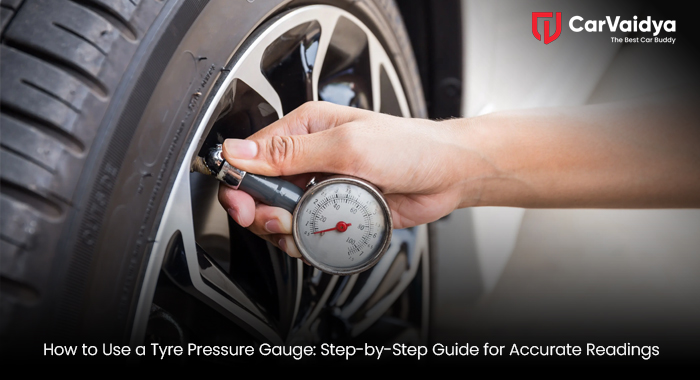
- Attach the tyre gauge tool – Press the gauge onto the valve stem firmly until you hear a short hiss.
- Read the pressure – The reading will appear on the gauge. Compare it to your car manual’s recommended PSI.
- Adjust if needed – If the pressure is low, use an air compressor or visit a fuel station to fill it up.
This process helps you check car tyre pressure at home without professional help. Doing it once every two weeks is a good habit to keep your tyres healthy.
Types of Tyre Pressure Gauges
There are mainly two types of gauges you can use:
- Digital Tyre Pressure Gauge: It gives accurate readings with a simple LCD. It’s easy to use, especially for beginners who want quick results.
- Analogue Tyre Pressure Gauge: It has a dial with a pointer that shows the reading. Some prefer it for its classic feel and durability.
Whether you choose a digital or analogue tyre pressure gauge, make sure it’s from a reliable brand and easy to read.
How to Read a Tyre Gauge Properly
Many car owners wonder how to read a tyre gauge correctly. On most gauges, the pressure is shown in PSI (pounds per square inch). Let’s say your car manual recommends 32 PSI; if your gauge shows 28 PSI, it means you need to inflate the tyres a bit more. If it’s showing 35 PSI, you need to release some air.
Understanding these readings helps you maintain the correct tyre pressure, preventing issues like reduced traction, longer braking distance, and poor fuel efficiency.
Benefits of Checking Tyre Pressure Regularly
There are several benefits of checking tyre pressure regularly
- Better mileage and smoother ride
- Longer tyre life
- Improved braking and safety
- Prevention of tyre blowouts on highways
- Enhanced vehicle control
By using a simple tyre pressure measuring tool, you can ensure your tyres last longer and perform efficiently. It’s one of the easiest
DIY car maintenance tools you can own.
Tyre Pressure Monitoring and Maintenance Tips
Modern cars now come with tyre pressure monitoring systems (TPMS) that alert you if the air pressure drops suddenly. However, if your car doesn’t have one, you can easily keep a tyre air pressure meter in your toolkit.
Here are a few tyre maintenance tips to follow
- Always check the pressure when tyres are cold.
- Inspect tyres visually for cuts, bulges, or nails.
- Rotate tyres every 8,000–10,000 km for even wear.
- Avoid overinflating — it can make tyres wear out faster.
- Check tyre pressure before long trips or when carrying heavy loads.
These small steps go a long way in keeping your tyres and your car in top shape.
How Often to Check Tyre Pressure
Experts recommend checking your tyre pressure at least once every two weeks, or before every long trip. Tyres naturally lose a bit of air over time, and weather changes can also affect pressure. Keeping track helps maintain stability, comfort, and mileage.
Whether you’re fixing a dent or ensuring proper tyre health, car care has become easier and more convenient today. Mobile services like CarVaidya make it simple to
get professional help right at your doorstep, saving time and money. And with a basic tyre pressure checker at home, you can take charge of your vehicle’s safety and performance effortlessly.
So, next time you see a dent or feel your car pulling to one side, don’t delay — schedule a doorstep service and check your tyre pressure. A well-maintained car not only looks great but also drives more safely and lasts longer.
 By CarVaidya





0 Comments